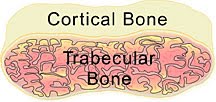
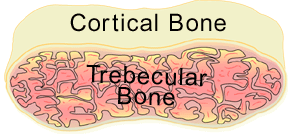
By definition, osteoporosis is a disease that, over time, causes bones to become thinner, more porous and less able to support the body. Bones can become so thin that they break during normal, everyday activity.
I’ve written a number of articles about the importance of weight bearing exercise and a calcium and vitamin D rich diet in preventing osteoporosis. So today I’m focusing on FALL PREVENTION. So many osteoporotic fractures are caused by falls so anything that can prevent those falls should be on your radar.
An interesting fall prevention method that’s been getting a lot of attention lately is using a Whole Body Vibration platform. Research by the Russian and American space programs has long suggested that a piezo-electric effect caused by vibrating the body strengthens muscles, and may prevent bone loss. A German study ‘Erlangen Longitudinal Vibration Study (ELVIS) shows it can also greatly reduce falls.
You simply stand on the vibrating plate and shake for several minutes. How long and how vigorously you shake can be dialed to suit your personal body needs and fitness level.
Commercial versions of the vibration platform are available at gyms and rehab centers. Home versions are sold online and at sporting goods and health equipment stores. Prices for the home versions start at about $199.
And for traditionalist in all of us, it’s true, simple balance exercises can go a long way towards reducing your chances of taking a serious fall.
Try this simple exercise:
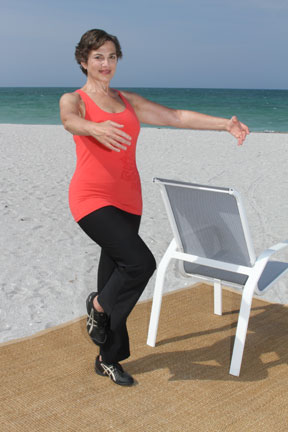
Stand erect near a chair or wall (in case you lose your balance) hands at your sides.
Slowly raise one foot a couple of inches off the ground while shifting your weight to your grounded foot. When you’ve got your balance slowly raise your arms in front of you and hold for 10 seconds.
As you get more comfortable, try raising your held-up foot farther up until it’s near the knee of your grounded leg. More advanced, try closing your eyes as you balance.
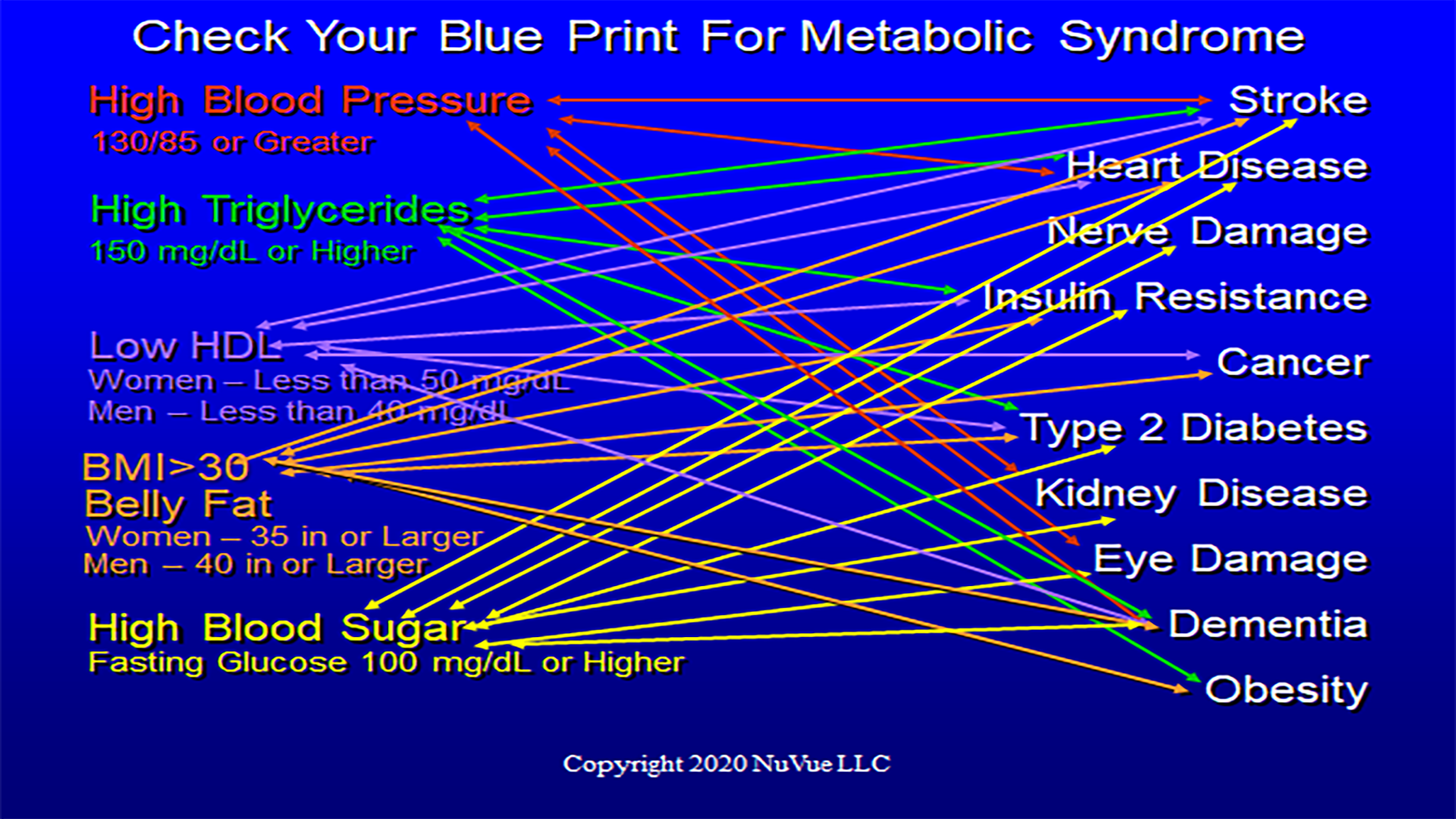
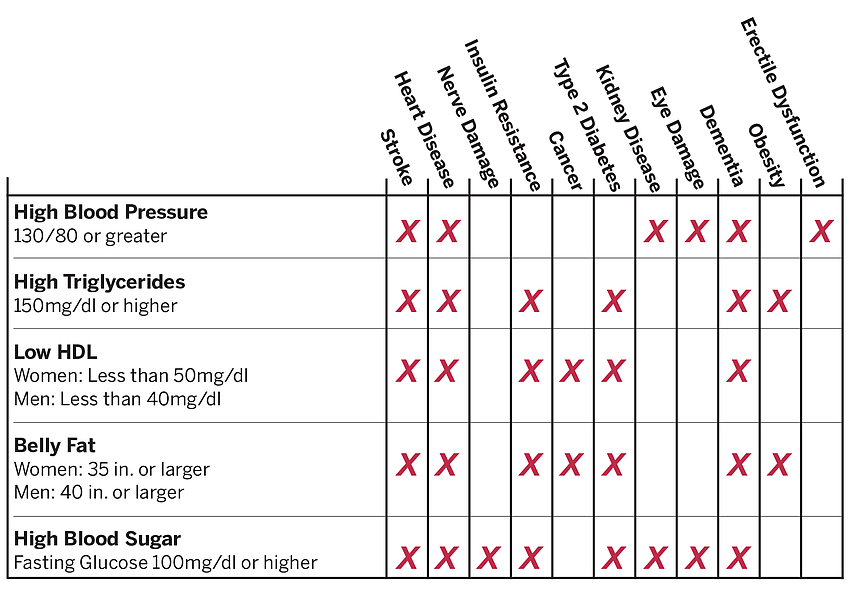
A study by the National Institutes of Health found metabolic syndrome is associated with a 68% increase in risk of sudden death. So how do you fix this? Severe issues may require medical attention. But these simple but aggressive lifestyle changes will work together to help manage every one of those risk factors.
Get on an exercise program. Start slowly and build up to 30 minutes five times a week of cardio, like brisk walking, 30 minutes of weight training every other day three times a week and stretch the muscles you worked. Exercise burns fat, raises your metabolism and reduces stress.
Stop eating junk food. Cut your junk food intake by a third, then half, then none. Gradually cut down on red meat. Go for chicken and fish instead. Try plant-based proteins like beans and nuts. Lose empty carbs like chips, bread and, yes, that one more beer. You’ll lose weight and have healthier yearly labs.
Drink in moderation. One daily drink for women, two for men — or fewer to help with blood sugar, eliminate calories and manage alcohol associated health risk.
Mirabai Holland is CEO of NuVue LLC. She is a certified health coach, exercise physiologist and wellness consultant for Manatee County government employees and has a private practice. She is also an artist who believes creativity enhances health. Visit her website: http://www.mirabaiholland.com
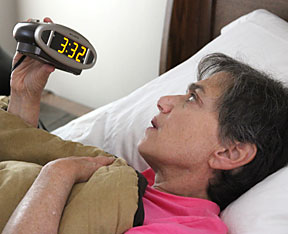
Stress. It’s everywhere. If you live and work on this planet it’s almost impossible to avoid. In these times of social distancing and sheltering inside it can cause us to feel even more stressed and anxious too.
Feeling stressed? Me too!
Today I’m writing about how to get rid of stress and suggest some easy ways to get that burden off your back.
To get us in the mood, let’s start with a short, guided meditation and stretch video to help reduce stress. Try it with me and see for yourself.
Stress:
Now that you’re a believer, lets have a look at stress and how to get rid of it. (By the way, as you get better at becoming relaxed, you can keep your eyes open while watching the waves on the video.)
Stress has been around since the beginning of time. It started as the fight-or-flight response when early humans confronted a life-threatening situation. In that situation, stress hormones, adrenaline and cortisol, are produced. Your blood vessels constrict, blood pressure goes up, pupils dilate, heart rate quickens, and breathing becomes more rapid. The body is preparing itself to do battle or run. This response is essential in times of acute danger. But problems at work, crying kids, traffic, you name it can trigger the same response.
Given the pressures of daily life, chronic stress itself has become a life-threatening situation. It can cause a host of health problems including headaches, gastrointestinal issues, insomnia, trouble concentrating, anxiety, depression, increased body weight, high blood pressure and heart disease.
We can’t eliminate the stress. But we can relieve the fight-or-flight response that sends our bodies into danger mode. And we can cultivate a relaxation response over time that will reduce our physiological stress reaction.
So what do we do about chronic stress? How do we get rid of it?
How? Relax. That’s what my first yoga teacher used to say when I was all bent up in the pretzel pose with a grimace on my face. And, like that meditation you just did, it actually worked. Once I was able to relax, I was stress-free even in the pretzel pose.
Seriously, daily conscious relaxation exercises can make real difference in the way your body responds to stress. Dr Herbert Benson coined the phrase “relaxation response” in his book by the same name in 1975.
Since then he and others have conducted numerous studies, including a recent one at the Benson-Henry Institute for Mind/Body Medicine, that have detailed the body’s intricate positive response to conscious relaxation exercises. In a nutshell, the relaxation response has the opposite effect of fight-or-flight. It engages the parasympathetic nervous system to counteract the effects of stress. You experience a feeling of deep relaxation and well being. And if you practice relaxation regularly you’ll feel better and help yourself avoid those stress related health issues. That’s how we get rid of chronic stress.
Meditation is just one of an almost infinite number of ways to consciously relax. Virtually anything that takes your attention away from your daily grind and makes you concentrate on just one thing can work. Doing the dishes, aerobic exercise, yoga, stretching, golf, playing a musical instrument, casting a fishing rod, playing with a cat, almost anything can work if you pay attention to only that and clear your mind. I’m partial to exercise because I get the benefits of a workout as well as the relaxation. It’s my mantra. It’s what I do to get rid of chronic stress.
Dr. Benson suggests you practice some form of conscious relaxation for 10 to 20 minutes every day to get rid of chronic stress in the long-term.
But what if you’re pressed for time? (Pressed rhymes with stressed.)
Reduce Chronic Stress with this little exercise.
Sometimes you only need a few seconds and you feel a lot better.
Sit down and close your eyes. (If you’re on the street, duck into a doorway, stand and keep your eyes open and one hand on your purse.)
Let your muscles relax. Concentrate on your breathing.
Breathe in and hold your breath for one second, count one one hundred thousand, and breathe out.
Breathe in again a little deeper and hold for two seconds — one one hundred thousand, two one hundred thousand — breathe out.
Breathe in deeper and hold for three, then four, then five seconds.
When you get to around three seconds of breath holding, your stress level should start to drop and your mind should start to clear itself of thoughts.
After five, you should feel pretty good. This works well for me particularly in moments of acute stress.
That one worked too didn’t it. I hope concentrating on reading this helped you reduce your stress and I hope you’ll make conscious relaxation a part of your life.
It’s a lifestyle change that’s easy to make because it feels so good when you do it.
Take Charge of Your Health! Mirabai Holland’s Online On-Demand TOTAL MEMBERSHIP ALL ACCESS Video Workout Club for All Your 50+ Health Issues. Exercise when it’s convenient for YOU with 24/7 access. View on Computer, Mobile Devices, & Your TV via HDMI cable. Regular Price: $99 a year. Click
Bone healthy Diet? EEK! One more thing to worry about? What ever happened to “these are our golden years”?. Sounds like more bad news but it’s not. True, our bodies can lose up to 40% of their bone mass in the 10 years following menopause. And true, if we don’t do something we could easily end up with osteoporosis. But also true, the fix for this is both easy and delicious.
It’s important to get enough calcium, Vitamin D in your bone healthy diet. As we age bodies become less efficient at absorbing these nutrients.
Here are some recommendations.
If you’re 50 or over you should make sure you’re getting a total calcium intake of at least
1200 milligrams daily and a Vitamin D intake of at least 800 to 1000 units daily.
Here are some sources of dietary calcium:
Dairy Products including milk, yogurt and cheese
Nuts such as almonds and various green vegetables such as broccoli
Fish with bones such as sardines, and mackerel and calcium fortified juices and cereals.
So, yogurt with fruit, almonds and maybe even a little cereal sounds like lunch. So does a salad with sardines, and a little raw broccoli. How about a nice piece of fish with a smaller salad. You might try some cheese and fruit with a glass of fruit juice. OK, wine. You get the idea. Get your calcium from food and you don’t have to take supplements. But if you do, most people have a better time digesting calcium citrate than calcium carbonate, but they both work fine.
Sources of Vitamin D include:
Fatty fishes such as salmon and mackerel and Vitamin D enriched milk, juices and cereals.
Although your skin can make vitamin D when exposed to sunlight, sun block prevents vitamin D production.
By now you’re making up your own healthy bones recipes so I don’t have to suggest a Salmon, mackerel, milk, fruit juice and cereal smoothie do I?
But if you’re like most people and wear sun block and don’t get enough D in your diet you’ll need to take a supplement to get your 800-1000 units of Vitamin D.
MORE BONE HEALTH DIET DO’s
Research suggests nutrients such as magesium, potassium, Vitamins A, K & C found in certain vegies and fruits may help foster better bones. It is recommended to eat about 12 ounces of fruit and 16 ounces of vegies daily.
Vitamin C: Oranges, pineapples, payayas, grapefruits, lemons, strawberries, red and green peppers, broccoli and brussel sprouts and cauliflower.
BONE HEALTHY DIET NO’s
One bit of bad news is too much alcohol or caffeine can add to bone loss; and soft drinks particularly colas that have both caffeine and phosphorous (bad for your bones) may be a double whammy.
So that’s my quickie eating for your bones report. Don’t try that smoothie; it’s nasty.
EASE IN, BECOME MOBILE, GET STRONG, LIVE LONG!
SHOP NOW GET 25% OFF ALL MIRABAI’S PRODUCTS PUT CODE: FABWKOUTS CLICK HERE
FREE SHIPPING TOO!
Follow Mirabai Holland: Certified Health Coach & Certified Exercise Physiologist:
Stress has been around since the beginning of time. It started as the flight-or-fight reflex when early humans confronted a life-threatening situation, and now, stress itself has become a life-threatening situation. Well, if we can’t eliminate all causes of stress, which is the way to go if you can do it, but good luck with that, what CAN we do about it?
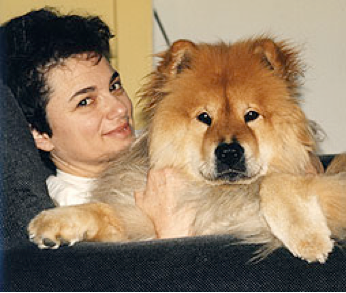
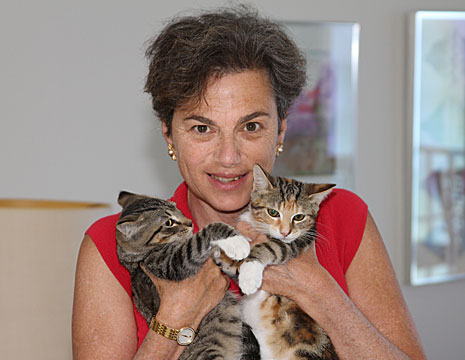
One of my personal favorites is to Snuggle with a dog or cuddle with a cat or two.
Stress. It’s everywhere. If you live and work on this planet it’s almost impossible to avoid.
To get us in the mood, let’s start with a short, guided meditation and stretch video to help reduce stress. Try it with me and see for yourself.
Stress:
Now that you’re a believer, lets have a look at stress and how to get rid of it. (By the way, as you get better at becoming relaxed, you can keep your eyes open while watching the waves on the video.)
Stress has been around since the beginning of time. It started as the fight-or-flight response when early humans confronted a life-threatening situation. In that situation, stress hormones, adrenaline and cortisol, are produced. Your blood vessels constrict, blood pressure goes up, pupils dilate, heart rate quickens, and breathing becomes more rapid. The body is preparing itself to do battle or run. This response is essential in times of acute danger. But problems at work, crying kids, traffic, you name it can trigger the same response.
Given the pressures of daily life, chronic stress itself has become a life-threatening situation. It can cause a host of health problems including headaches, gastrointestinal issues, insomnia, trouble concentrating, anxiety, depression, increased body weight, high blood pressure and heart disease.
We can’t eliminate the stress. But we can relieve the fight-or-flight response that sends our bodies into danger mode. And we can cultivate a relaxation response over time that will reduce our physiological stress reaction.
So what do we do about chronic stress? How do we get rid of it?
How? Relax. That’s what my first yoga teacher used to say when I was all bent up in the pretzel pose with a grimace on my face. And, like that meditation you just did, it actually worked. Once I was able to relax, I was stress-free even in the pretzel pose.
Seriously, daily conscious relaxation exercises can make real difference in the way your body responds to stress. Dr Herbert Benson coined the phrase “relaxation response” in his book by the same name in 1975.
Since then he and others have conducted numerous studies, including a recent one at the Benson-Henry Institute for Mind/Body Medicine, that have detailed the body’s intricate positive response to conscious relaxation exercises. In a nutshell, the relaxation response has the opposite effect of fight-or-flight. It engages the parasympathetic nervous system to counteract the effects of stress. You experience a feeling of deep relaxation and well being. And if you practice relaxation regularly you’ll feel better and help yourself avoid those stress related health issues. That’s how we get rid of chronic stress.
Meditation is just one of an almost infinite number of ways to consciously relax. Virtually anything that takes your attention away from your daily grind and makes you concentrate on just one thing can work. Doing the dishes, aerobic exercise, yoga, stretching, golf, playing a musical instrument, casting a fishing rod, playing with a cat, almost anything can work if you pay attention to only that and clear your mind. I’m partial to exercise because I get the benefits of a workout as well as the relaxation. It’s my mantra. It’s what I do to get rid of chronic stress.
Dr. Benson suggests you practice some form of conscious relaxation for 10 to 20 minutes every day to get rid of chronic stress in the long-term.
But what if you’re pressed for time? (Pressed rhymes with stressed.)
Reduce Chronic Stress with this little exercise.
Sometimes you only need a few seconds and you feel a lot better.
Sit down and close your eyes. (If you’re on the street, duck into a doorway, stand and keep your eyes open and one hand on your purse.)
Let your muscles relax. Concentrate on your breathing.
Breathe in and hold your breath for one second, count one one hundred thousand, and breathe out.
Breathe in again a little deeper and hold for two seconds — one one hundred thousand, two one hundred thousand — breathe out.
Breathe in deeper and hold for three, then four, then five seconds. When you get to around three seconds of breath holding, your stress level should start to drop and your mind should start to clear itself of thoughts.
After five, you should feel pretty good. This works well for me particularly in moments of acute stress.
That one worked too didn’t it. I hope concentrating on reading this helped you reduce your stress and I hope you’ll make conscious relaxation a part of your life.
It’s a lifestyle change that’s easy to make because it feels so good when you do it.
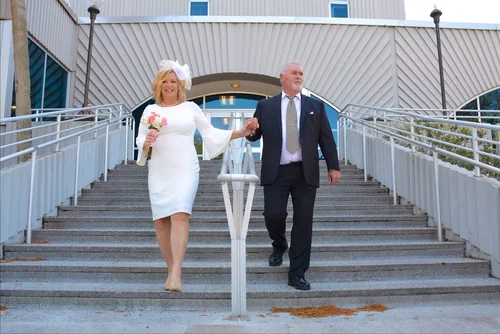
I started health coaching with Mirabai for a variety of reasons: high cholesterol, elevated blood pressure, A1C creeping up, and weight loss, which was definitely at the top of the list. I just didn’t feel well and had low energy all the time. However, I felt that getting my weight down and managing my other issues was a huge task, and I found myself looking at the “too big” picture. Mirabai suggested baby steps, smaller interim goals that didn’t overwhelm me, and it worked! Mirabai worked with me to identify key problem areas and establish a step-by-step plan to reach my goals. I started with my head first. Mirabai helped me get in the frame of mind to make the plan work. She listened attentively and suggested short-term goals that would move me forward. I’m a southern girl and I love to eat. I also enjoy wine. So, diet has always been the biggest challenge for me. But, Mirabai recognizes that we are all different and that not all diets or routines fit everyone. So, we refined my eating until it started to work for me. Little changes add up to bigger changes. I didn’t have to give up everything I love, just modify. If I didn’t reach a goal for a while, Mirabai didn’t’ give up on me or make me feel bad about it. Take diets and food tracking for instance. If it takes a long time to prepare food or track my meals, I won’t stick with it. But if one thing didn’t work or if I didn’t like something, Mirabai would help me come up with something else to try. Making life changes is not a quick fix. It takes time and commitment, but once you get going it’s not as hard as you might think. I lost weight and became more active. My labs improved. My cholesterol got lower and my A1C went from 5.5 to 5.2. I also began to feel less stressed and I’m sleeping better. I think health coaching helped me feel more confident in other areas of my life. One big result is that I got married! My husband proposed a few years ago and he kept waiting for me to plan a date. What a stress reducer it was to have the confidence to marry this wonderful man. I should have done it sooner. He has helped me with eating healthier and with exercise, which has made a big difference. I count my blessings every day that I met Mirabai. Her approach to health is to work on the whole person a little at a time. I’ve learned a lot about myself while being coached by Mirabai. She has been a real positive in my life. I recommend health coaching for anyone who has health issues they want to get under control. Diana Robinson Property Management
More health and fitness information and at home exercise programs from Mirabai Holland, Health Coach, visit www.mirabaiholland.com.
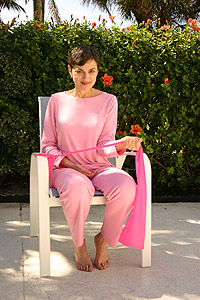
Nobody wants to grow old, least of all boomers. But we’re turning 65 at the rate of 10,000 a day, and will be for the next 17 years.
We’re running a little scared. We want longevity, but we’re scared of losing our mobility and independence. So we’re trying to stay active, or get active, in order to avoid decrepitude. With that many older bodies on the move, orthopedic injuries are on the rise. Once you’re injured, there’s excellent treatment and rehab available
But there is a lot you can do to prevent orthopedic injuries. If you want to stay active and mobile in the second half of your life, consider prehab today to avoid rehab tomorrow. Here’s a quick video to tell you more:
Who gets up in the morning thinking: I feel like getting a nice orthopedic injury today. What can I do to help that along? But we have them anyway, even if we’re disease free. We over use our bodies or use them wrong. We break hips and legs. We get strains and sprains. We get hurt at work, at home or playing sports.
Vintage Bodies Prone For Orthopedic Injuries
No matter how active we’ve been, our bodies are not the same as they were when we were younger. They’ve got miles on them. And like vintage cars, it’s not wise to drive them flat out. Those of us, who’ve used our bodies for a living, know we’ve had to make adjustments for our aging muscles and joints. Many of us are favoring old injuries that have left those body parts weakened and vulnerable.
We may be nursing over use injuries from repetitive actions. These can be anything from back problems from years of standing all day, to shoulder issues from years of manual labor, to carpal tunnel syndrome from constant mouse pushing. But it doesn’t have to take years. Raking leaves, shoveling snow or playing tennis all weekend when you’re out of shape can be an express ticket to Overuse Ville. And being overweight puts extra stress on your musculoskeletal system. But, there’s a simple fix that can reduce your risk for orthopedic injuries, give you more energy, stamina and even help you live longer
Prehab to Avoid Orthopedic Injuries
Two Types of Prehab
There are two main types: general and sport-specific.
General Prehab for Daily Life
Every day, we run for the bus or the phone, load groceries in the car, pick up children or pets and a million other things we take for granted. These all carry a risk for injury and I’ll bet we can all remember being injured doing them. Luckily for most of us the, injuries were limited to a little pull or sprain. But people do fall and break bones, dislocate limbs, have heart attacks and worse because they’re not fit enough for that activity at that moment. Being inactive and overweight adds to the mix. A simple fitness and weight management program may be all you need to help prevent orthopedic injuries during everyday activities.
General rehab for daily living as part of a personal wellness program: looks at the body as a whole, and develops it as a whole to maximize quality of life. This often includes strength training, cardio conditioning and core training, as well as some proprioceptive exercises.
Avoid Orthopedic Injuries with Fall Prevention
Falls are the number one cause of injury death in people over 65. One in three people 65 plus will experience a fall each year. And poor proprioception, not knowing where your body is in space is a leading cause of falls. Proprioception degrades with age but proprioceptive exercise can slow that down and help prevent falls. Add exercises like Tai Chi, and balancing exercises to your fitness routine. They feel great to do and can help keep you vertical into old age.
Sport-Specific Prehab is designed to get you ready for the rigors of a particular sport or physical endeavor. Good activity specific exercises pay special attention to the body parts most involved in that activity or sport with regard to use and form without ignoring the concept of training the body as a whole. Sport specific training is available at many gyms and community centers.
So I hope you’ve become a believer in the little proverb I’ve coined to remind my clients “An ounce of prehab is worth a pound of rehab.”
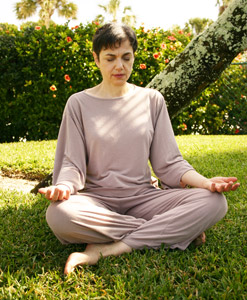
If you visualize yourself healthy and fit, can you help make it happen?
We vow to lose weight, get fit, quit smoking, and hope to transform our lives.
So why do we try and fail year after year and why have so many of us just given up altogether?
I think it’s because we were setting ourselves up to fail instead of succeed.
We push ourselves too hard to do too much too soon to change habits that took half a lifetime to cultivate and expect that’s going to be ok with us and it’s not.
If we want to change long standing habits we need to look at it differently.
We need to see ourselves differently. See yourself the weight you want to be.. Feel what it’s like to be at that healthy weight.. Consider yourself a healthy person, a non-smoker, whatever.
There’s a mind-body connection that dancers and athletes are trained to tap into every day that allows them to perform with ease, fluidity and enjoyment. Your activity should provide the same type of experience and be one that you enjoy and want to do every day. These athletes live by this. It really works. And it works for everything.
Here are two mind-body techniques they use and you can use right away to help set those resolutions into motion.
Visualization: happens mostly on the right side of the brain, the part that controls emotion, intuition and nonlinear thought.
So if your goal is to lose 10 pounds you visualize yourself 10 pounds thinner maybe by wearing that pair of jeans you have been wanting to get into again.
Don’t just see yourself as having lost the weight. See yourself as that person, someone who can be and always maintain that weight.
That mental image can replace the one you now have of yourself and help you transform your behavior on both a conscious and subconscious level.
It can allow you to finally put that desire into permanent action.
Affirmations: By engaging in positive self-talk you can change what you believe about yourself. You can speak to yourself silently or out loud in short phrases that start with
“I am
And don’t be afraid to say you are who you really want to be.
Repeat several times until you are able to clear your mind of anything but that particular affirmation.
Once you see and hear how it feels to be someone who has already reached their goal, you can use the same techniques to set and achieve easy short-term interim goals.
For instance if your goal is to become fit, you can start by visualizing and feeling yourself having exercised today and affirm with “I will exercise 5 minutes today”
As long as you have plausible expectations and don’t say stuff like I’m 6 feet tall when you’re 5’6, you can make amazing changes real.
Sometimes you only need a few seconds and you feel a lot better.
Sit down and close your eyes. (If you’re on the street, duck into a doorway, stand and keep your eyes open and one hand on your purse.)
Let your muscles relax. Concentrate on your breathing.
Breathe in and hold your breath for one second, count one one hundred thousand, and breathe out.
Breathe in again a little deeper and hold for two seconds — one one hundred thousand, two one hundred thousand — breathe out.
Breathe in deeper and hold for three, then four, then five seconds.
When you get to around three seconds of breath holding, your stress level should start to drop and your mind should start to clear itself of thoughts.
After five, you should feel pretty good.
For more health and fitness information and at home exercise programs please visit www.mirabaiholland.com
EASE IN, BECOME MOBILE, GET STRONG, LIVE LONG! Healthy Life. Visit www.mirabaiholland.com
I got this email the other day from a woman with aches and pains in her back, neck, and arm. She thinks it’s because she spends so much time on the computer. “The New Year is here and I’m determined not to live another year in pain if I can help it. I spend a lot of time on the computer. But after a couple of hours my back starts to hurt, my shoulder and mouse arm ache and I feel tension in my neck. Are there any exercises I can do to relieve this problem?”
Of course I was at my own computer reading that email and I noticed that my computer posture was less than perfect too. So I decided to share my reply to her with you.
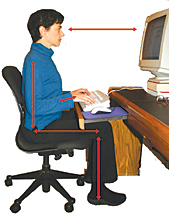
I answered: “Sounds like the first thing you need to do is adjust the ergonomics of your computer set-up. Good posture can minimize those aches and pains.
Place your monitor at eye level.
Find your sit bones (those bones under each hip) and rock sideways to locate them. Balance your torso by sitting on top of those bones.
Position your hips and knees at 90 degrees, feet shoulder width apart.
If your legs are crossed, uncross them; crossed legs can cause a curvature of the spine.
Imagine your head is a helium balloon, lifting your whole spine upwards.
Avoid bending your wrist. Keep it in a neutral position.
Even with proper posture, sitting in the same position for hours at a time is bound to cause some stiffness and muscle soreness.
Here are three stretches that should give you some relief.”
Neck Exercise:
Side to side,
Place right hand on top of head. Gently pull head sideways, stretching neck towards the right shoulder. Repeat on other side. Hold for 10-20 seconds.
Front Shoulder Stretch
Extend right arm in front of you, chest level.
Take left hand and cup right elbow
Slowly stretch right arm across towards left shoulder. Hold for 10 counts.
Back Extension:
Lower Back
Stand with feet slightly apart.
Take hands and make two fists and place them on the lower back.
 Now every day, every hour, every minute, every second,




 Mirabai Holland is CEO of NuVue LLC. She is a certified health coach, exercise physiologist and wellness consultant for Manatee County government employees and has a private practice. She
 Stress. It’s everywhere. If you live and work on this planet it’s almost impossible to avoid. In these times of social distancing and sheltering inside it can cause us to feel even more stressed and anxious too.



 Nobody wants to grow old, least of all boomers. But we’re turning 65 at the rate of 10,000 a day, and will be for the next 17 years.
 If you visualize yourself healthy and fit, can you help make it happen?
 EASE IN, BECOME MOBILE, GET STRONG, LIVE LONG! Healthy Life. Visit